
Ancient Shirali: A Story Carved in Stone
Authored by Shrī Siddhānth Murḍeshwar and Smt. Devyānī Bijoor with inputs from Sunbeam archives.
Shirālī, a beautiful village in the Uttara Kannaḍa district of Karnāṭaka, is the seat of Shrī Chitrāpur Mat͟h. The tale of Shirālī reaches deep into the mists of time. The stone inscriptions preserved in the ancient temples take us back to the era of the Hoysalā-s and Ālupā-s who ruled in the 10th-14th centuries. The inscriptions portray Shirālī as a thriving economic hub with active land and revenue systems, and as a sacred centre where temples and Mat͟h-s flourished under the Hoysalā and Ālupā patronage.
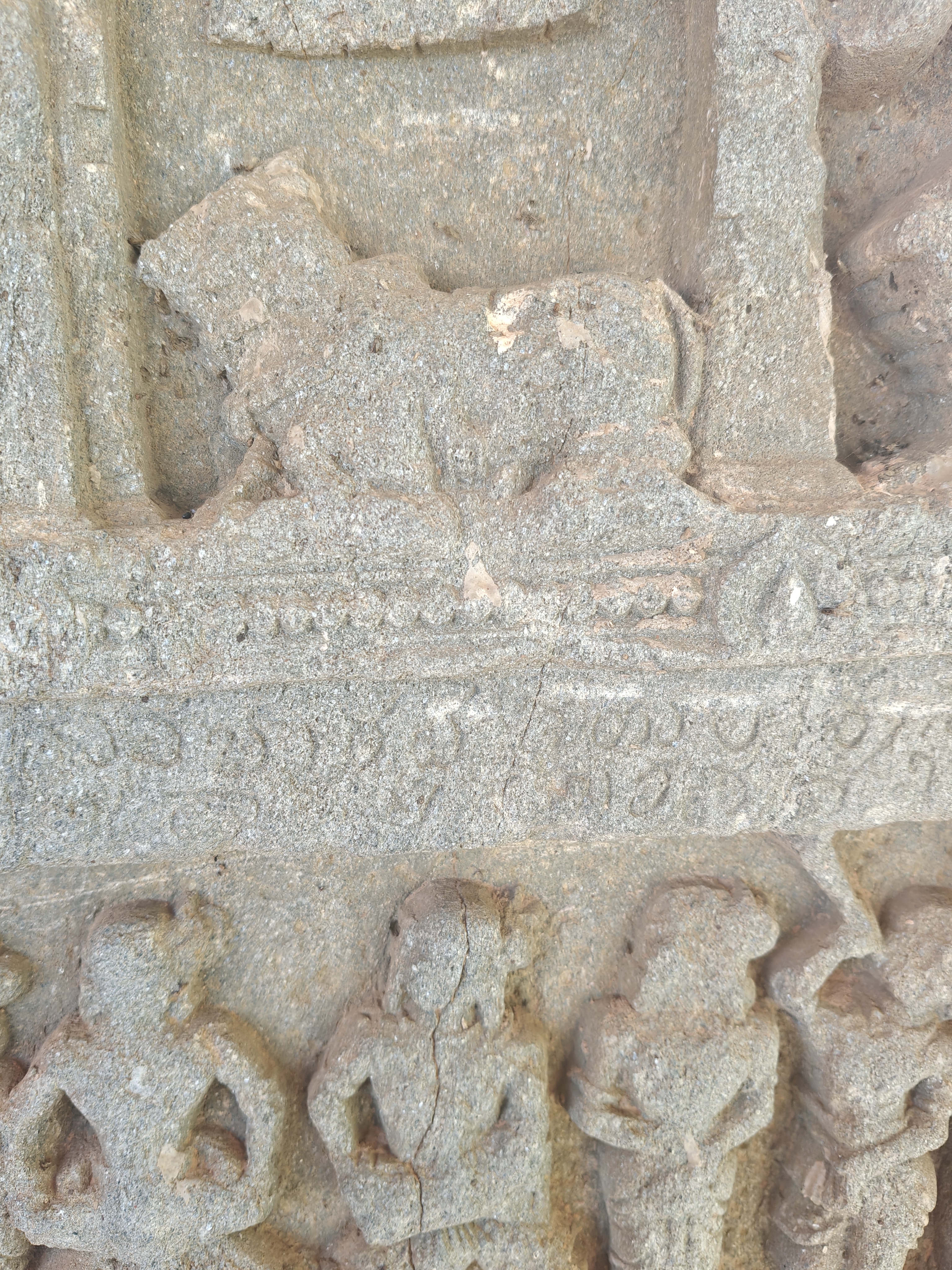
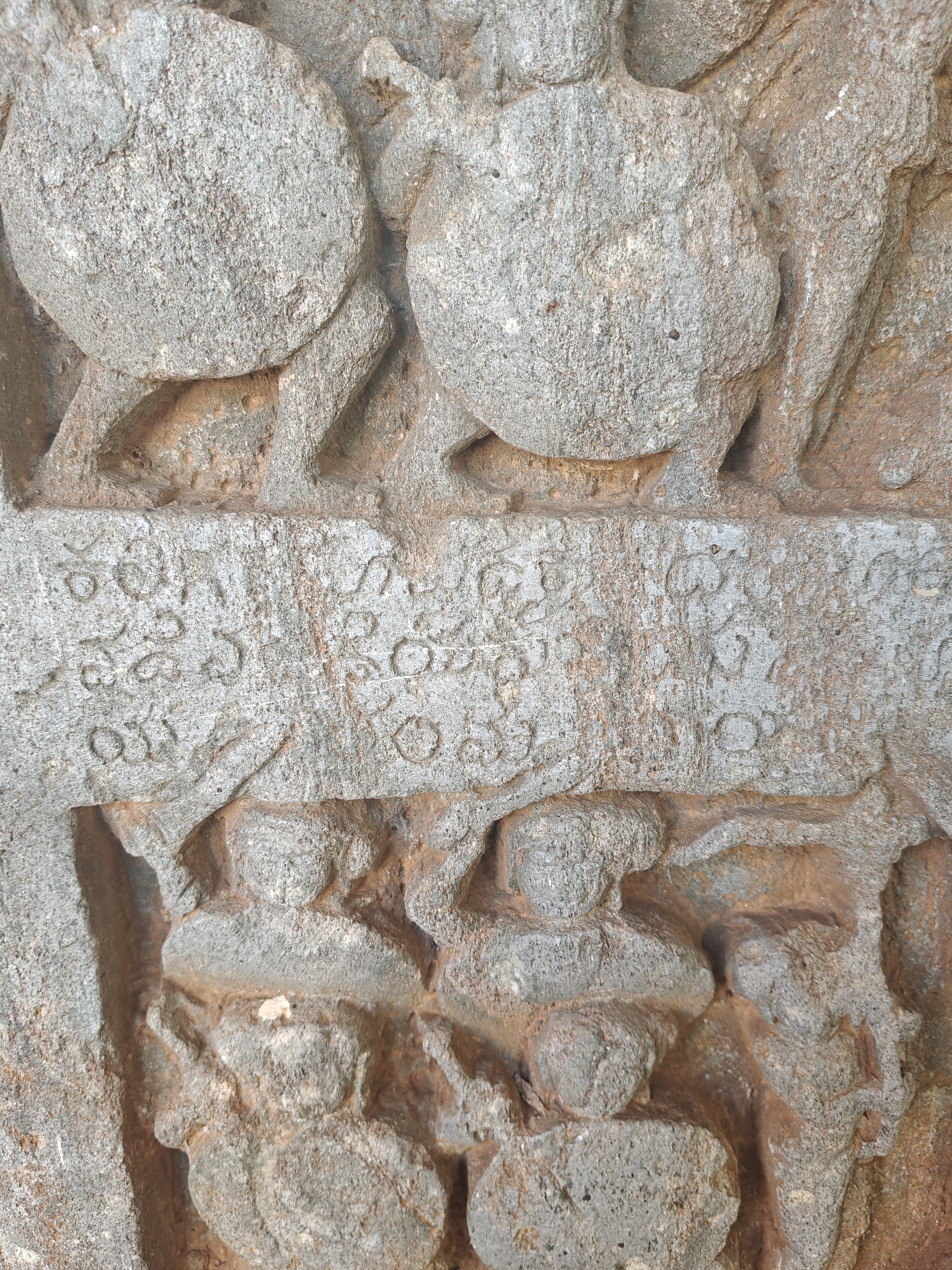
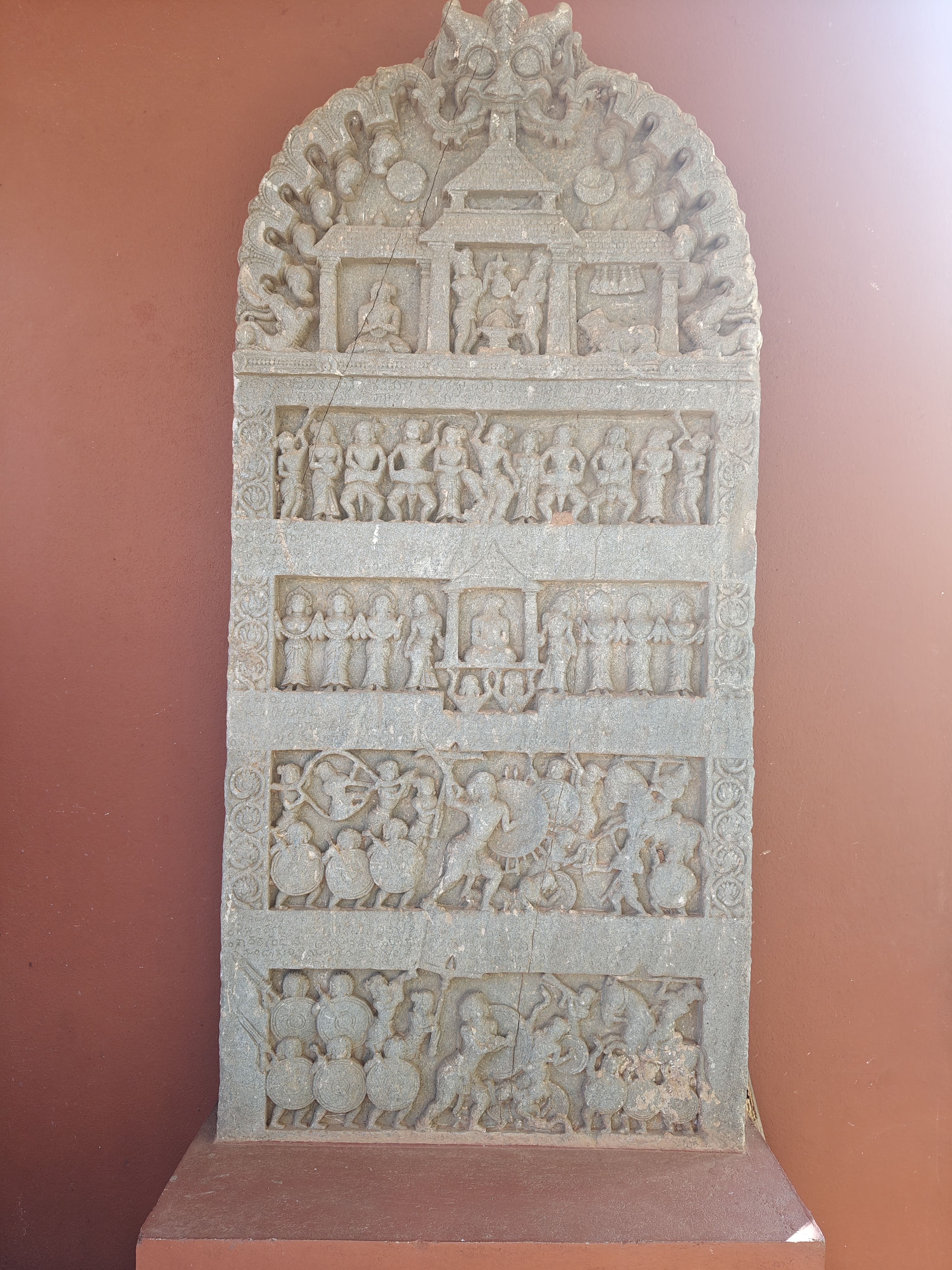
One of the earliest inscriptions dates back to the reign of Hoysalā Ballāl̃a II and describes a land agreement between the elders of Shreelī—early Shirālī—and the tenants of Adhikārī-gāddā (a piece of land). The elders granted permission to the tenants of this gāddā to convert Kuḍuvura hāḍi (a large clump of wooded tract) into agricultural fields. In exchange, the tenants paid a sum of 42 silver coins and 12 hanes* to Palarasā, the Revenue Officer who agreed to the proposal, and caused the grant to be issued.
Shirālī’s name appears repeatedly on the inscriptions of the Kesava Nārāyaṇa Temple in the then Bhaṭkal̃ Pet͟ha* between Shaka 1200/1278 CE and 1225/1303 CE. One record from the reign of Kikkāyī Tāyī, queen of Vīra Ballāl̃ā describes Manchaṇṇā Hebbārā purchasing land from the “Vaidya of Shirālī” and performing the sacred Moola Parichc͟hede rite to transfer the property to his son, Īsvarā —witnessed by the village Adhyaks͟͟ha, reflecting an organized local administration. Another inscription marks a rare and auspicious moment when Ekādashī and Saṅkrānti fell on a Saturday in the solar month of Vṛshchika.
Long ago, Shirālī was home to the ancient Mooḍamane Mat͟h. Veda Mooḍamane Srīpādaṅgal̃u, a revered disciple of Veda Parvata, is believed to have belonged to this sacred seat. A Shaka 1258 stone inscription at the Ulagoḍā Narasiṁha Temple records King Shrī Vīra Ajai Devarasa of the Ālupā lineage returning in perpetuity an amount of 6 hana-s and 45 hane-s of paddy to the temple which was witnessed by Veda Srīpādaṅgal̃u.
A Shaka 1278/1356 CE Vyaya inscription reveals that during the reign of Ālupā King Vīra Kula Sekharā at Barkūr, the people of Shirālī spoke both Koṅkaṇī and Kannaḍa, reflecting a warm, blended cultural life.
Taken together, these stone diaries hint at a “Shirālī” being shaped by a steady cultural rhythm, a capable village administration and a quiet spiritual pulse across centuries. It was in this beautiful setting that the Chitrāpur Sāraswat tradition would one day unfold and find expression through the establishment of the Shrī Chitrāpur Mat͟h.
*As per Sunbeam-1976-July, hana-s were small gold coins and hane is a measure of grains.
* Pet͟hā was a district-like unit in ancient Karnāṭaka used for administrative purposes.
Image credits - Shrī Siddhānth Murḍeshwar